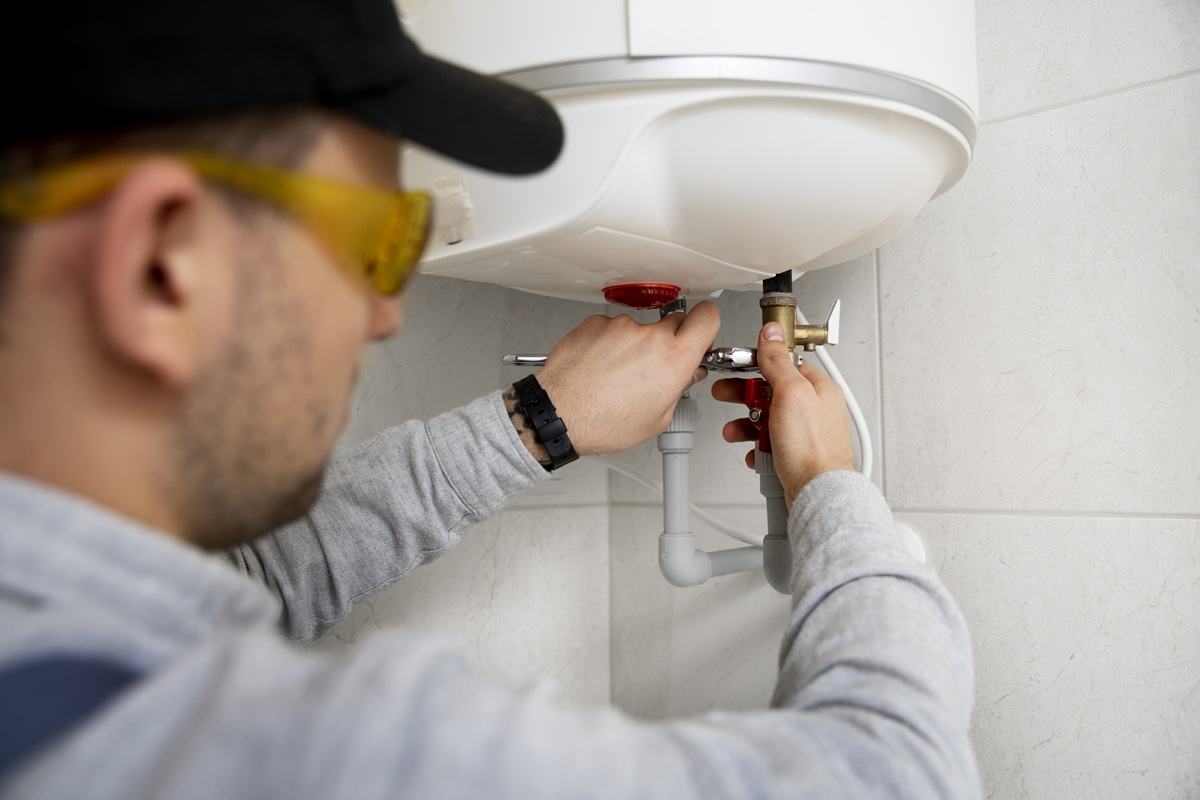
A failing water heater is one of the most frustrating plumbing problems a homeowner can face. According to the U.S. Department of Energy, the average household uses hot water for close to 20% of its total energy use, which can make it one of the most important appliances in the home.
And yet, thousands of water heaters fail each year from age, corrosion, sediment buildup, and insufficient maintenance, many of which could have been avoided with the proper care. For homeowners in Salt Lake City specifically, with hard water and fluctuating extreme temperatures, it is prudent to stay ahead of maintenance with your system to avoid water heater repair in Salt Lake City.
This blog will cover the maintenance your water heater needs, the most common water heater issues, how to extend your water heater’s life, and what to do in the event of a failure. Whether you have a traditional tank-style heater or a tankless system, this information will help you save money, alleviate stress, and have safe, usable hot water throughout the year.
Understanding the Common Water Heater Problems
Before you can extend the life of your water heater, it is important to first understand its signals. A water heater rarely just fails out of the blue. Instead, it shows signs of minor distress, and homeowners usually ignore them. Dealing with issues at the beginning prevents disasters and costly replacements.
The most common issues consist of inconsistent water temperature, rumbling or popping noise, rusty hot water, leaks around the tank base, and a reduction in hot water flow. Each of these warnings is associated with internal issues such as sediment buildup, corrosion, or components hindering operations.
The Reasons Water Heaters in Salt Lake City Break Down Early
Salt Lake City is a wonderful area with beautiful scenery, a four-season climate, and a water supply with high mineral content. The hardness of the water increases sediment buildup inside the water heater tank. This increases the workload placed on the unit when sediment occurs due to increased heat-up times and unnecessary energy use. When strain is applied to the heater, life expectancy decreases from additional wear and tear.
The second primary factor is that Salt Lake City can have brutally cold winters that wear on a water heater as the incoming cold water is low in temperature. The water heater must apply a higher amount of heat due to the incoming water temperature being lower than the heater’s desired outlet temperature. Heating elements take on more load and ultimately will not last as long due to excessive demands.
Signs Your Water Heater is Getting Close to Breaking Down
Homeowners can identify some small problems before they escalate to a state of emergency if they can look for signs of breakdown. Don’t ignore these signs, especially in harsh weather conditions, to avoid water heater replacement in Salt Lake City.
- Water Temp Becomes Irregular
Fluctuating water temperature is a sign that the heater’s elements or thermostat may be on the verge of failure. This is generally a minor fluctuation, but it can become increasingly common as the water heater continues to heat the water, resulting in warmer and cooler temperatures. Addressing the fluctuating temperature can help prevent a full breakdown.
- Strange Noises or Rumbling
If you hear a popping, banging, or rumbling sound when your hot water system is working, this indicates your tank is probably full of extra sediment at the bottom. As it continues to settle, the sediment compacts and acts as an insulating blanket that traps heat, which causes the tank to require additional heating, therefore wearing out the tank faster. In areas with hard water, these issues will likely occur to a greater extent.
- Rusty Discolored Water
If your hot water is discolored with rust, the tank is likely corroding from the inside. This is one of the first signs that you will need to replace the hot water heater. Even small leaks can form, and you will not be able to fix the corroded tank.
- Water Leak Around the Heater’s Base
If you leak, it is likely initiated from the tank itself, which may crack from pressure, or rust eventually leaks the liquid. Even small leaks can turn into bigger problems, including multiple issues with water damage and mold in your home.
Lifetime Maintenance Tips for Water Heaters
Routine maintenance can also help to avoid costly, unexpected failures and water heater repair and replacement in Salt Lake City. Most homeowners aren’t aware that water heaters need maintenance at least every 12 months for optimal performance.
Annual Flushing of the Tank
Flushing the hot water tank with a water heater maintenance kit allows the removal of sediment and mineral accumulation that creates problems leading to overheating, noise, or premature tank failure. Depending on the hardness of your water, you will likely have to flush it more than once a year, like in areas such as Salt Lake City. Less wear and tear in a clean tank will create a less expensive, more efficient water heater that will last longer.
Checking and Replacing the Anode Rod
The anode rod is a metal rod inside the hot water tank that is purposely supposed to corrode over time. Once that rod has worn away, checking and replacing it every couple of years can extend your water heater’s life by several years.
Insulate the Tank and Pipes
Insulation on your water heater will reduce heat loss along energy consumption. Furthermore, keeping insulation on your water heater will relieve pressure on the heating elements. This means, during the colder months, the heating elements will not have to work as hard.
Test the Temperature and Pressure Relief Valve
The TPR valve will alleviate dangerous pressure buildup inside your tank. There is potential for a leaky valve or, on rare occasions, an exploding tank with a broken valve. Testing your TPR valve yearly helps ensure that your system remains safe and stable.
When You’ve Reached the Repair Limit, Replace Your Water Heater
Even with exceptional care, every water heater will eventually reach the end of its life. The average lifespan of a tank model is, on average, 8–12 years. Tankless models can last up to 20 years with proper maintenance. However, even with good maintenance, when the need for repairs outweighs the costs, it is best to schedule a water heater replacement in Salt Lake City.
If you discover that your water heater is leaking, or rusty water is coming out of your faucets, and if you notice your utility bills steadily rising, it could be revealing that your water heater might be done for. Water heaters can also become a safety hazard when old. Newer water heaters operate more efficiently; your old unit will mean higher utility bills in the long run.
Copper Peaks Plumbing is a trusted name in Salt Lake City, providing dependable plumbing services to local homeowners. With years of experience and qualified technicians, the team addresses anything ranging from water heater tune-up services to installing a completely new system.
Contact us today to schedule a water heater service.
FAQs
How often should I flush my water heater in Salt Lake City?
At least once a year, homes using hard water could benefit from flushing twice a year.
What is the normal life of a water heater?
A traditional tank will last about 8–12 years, while tankless water heaters can last 20 years with upkeep.
Why is my water heater making popping sounds?
This is typically due to sediment accumulating at the bottom of the tank and creating a barrier for heat transfer, hence it makes noise.
Should I replace my older water heater or repair it?
It is usually a good idea to consider replacing an older water heater if you find yourself repairing it often, if costs outweigh repairs, or if it is older than ten years.
Will hard water damage my water heater?
Yes, hard water causes mineral deposits to accumulate in your water heater, which reduces efficiency and shortens the lifespan.