When winter settles in across the Greater Salt Lake City Area, your household relies on a steady supply of hot water to combat the freezing temperatures outside. From warm showers after a day up in the mountains to running the dishwasher after a family meal, your water heater works overtime throughout the coldest months of the year. However, because these systems are usually tucked away in a basement or utility closet, they are easily forgotten—until you are suddenly forced to take an icy shower on a freezing morning.
Investing a little time into preventative maintenance now saves you from the stress and high costs of emergency breakdowns later. Preparing your system in advance ensures uninterrupted comfort for your family when the freezing weather hits.
Key Signs Your System is Struggling Before Winter
Before the heavy snow hits the Wasatch Front, it is important to check how well your equipment is performing. Watch out for these common warning signs that indicate your system needs professional attention:
Inconsistent Water Temperatures: If your showers start hot but quickly turn lukewarm, your heating elements or burner assembly may be failing.
Popping or Rumbling Noises: Loud knocking sounds from the tank mean sediment has trapped water beneath it, causing the water to boil and overheat the tank bottom.
Rusty or Cloudy Water: Discolored water indicates that your system's internal tank walls or sacrificial anode rod are actively corroding.
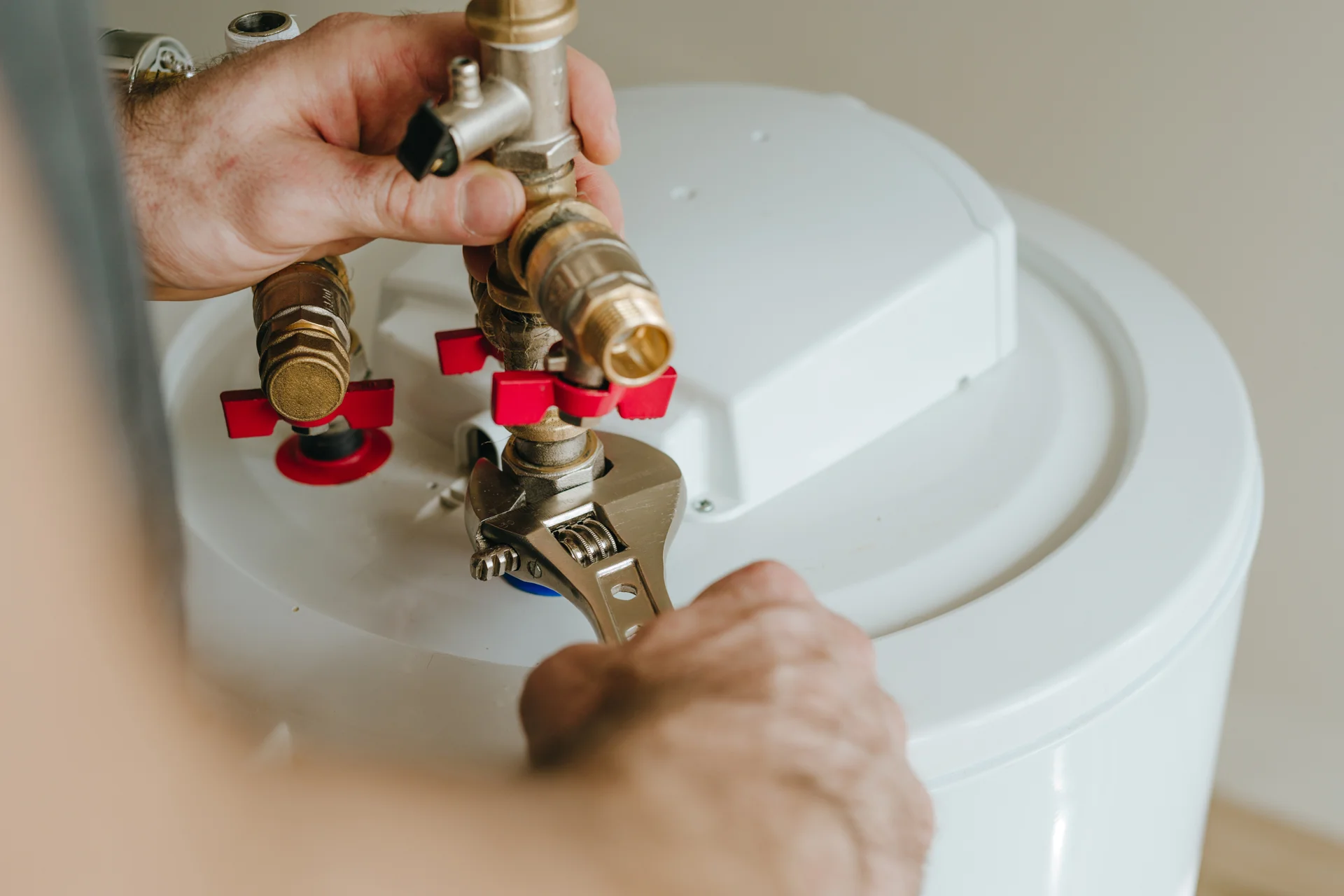
Pooling Water Around the Base: Any signs of moisture, dampness, or active dripping around valves and connections can quickly escalate into a catastrophic tank rupture during a winter freeze.
Why Utah Winters Put Extra Stress on Your Heating Tank
Our local climate presents unique challenges that force water heating systems to work significantly harder than they do in other parts of the country.
Freezing Inlet Temperatures: During a harsh local winter, the groundwater entering your home from the mountains arrives at a near-freezing baseline. Your system has to burn twice as much energy just to bring that ice-cold water up to a comfortable temperature.
Heavy Hard Water Sedimentation: Mineral-heavy water conditions along the Wasatch Front leave thick calcium deposits at the bottom of your tank, which acts as a barrier that suffocates the heating elements and spikes your monthly utility bills.
Metal Contraction From Cold Snaps: Extreme temperature drops during a blizzard cause metal pipes and tanks to contract, which can easily trigger leaks in weakened or unmaintained components.
Schedule Your Wasatch Front Water Heater Service Today
Do not wait for a freezing morning leak or an icy shower to find out your system is failing under the winter strain. Contact the fully licensed and insured professionals at Copper Peaks Plumbing, Heating and Air by calling (801) 406-3107 to schedule your comprehensive water heater inspection and secure total peace of mind for the cold months ahead.